
How To Choose A Mandrel
Posted by Clair Cangialosi, DMA on Sep 28th 2026
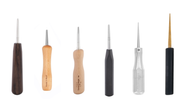
There are many options available for bassoon reed mandrels, so how do I choose the right one?
This blog will cover everything you need to know so you can make an informed decision. Read on for full details, or skip to the product comparison section below.
Table of Contents:
What Is A Mandrel?
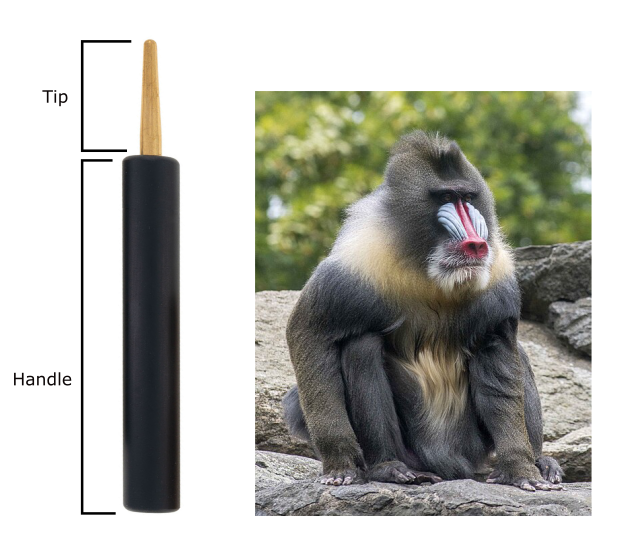
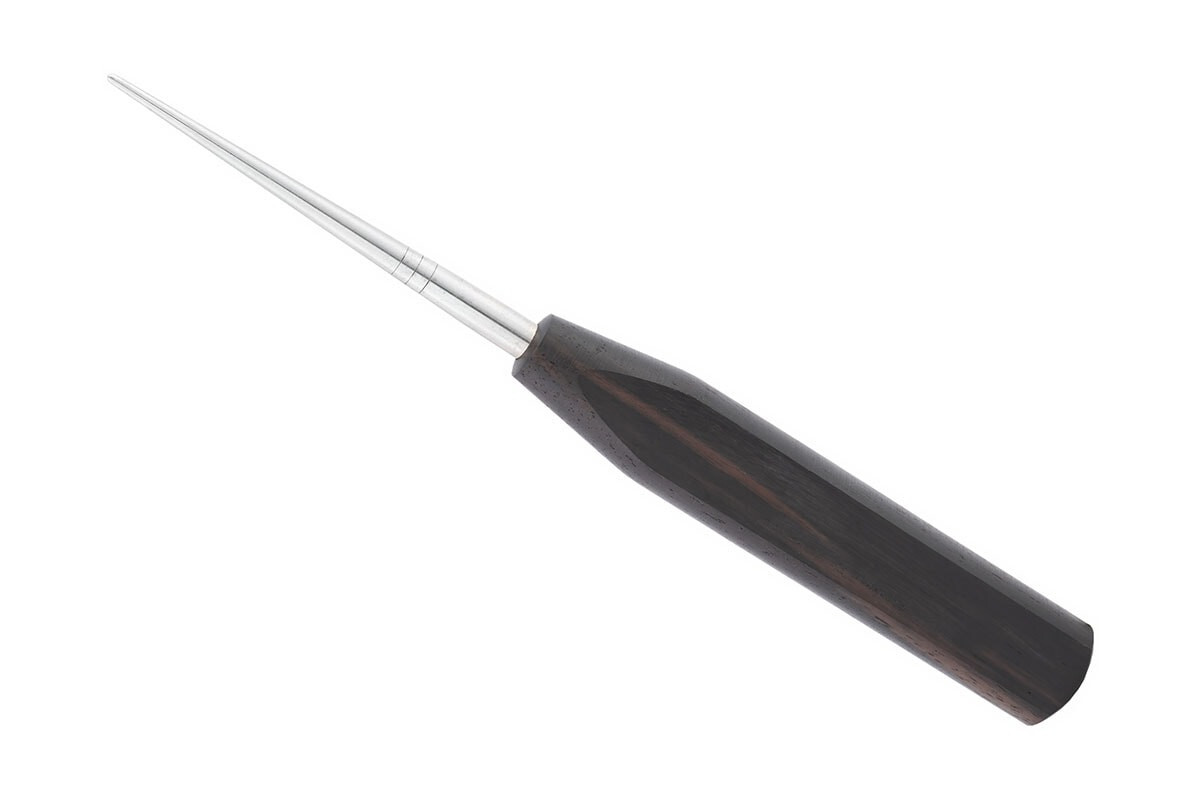
A mandrel is an essential reedmaking tool, usually consisting of a wooden or plastic handle and a tapered metal tip, shown in figure 1.
Different types of mandrels are used at each stage of the reedmaking process. This is not to be confused with a Mandrill, a large species of monkey native to west central Africa.
Types of Mandrels
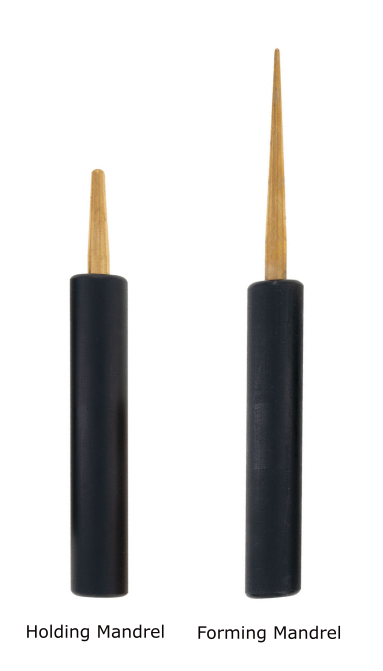
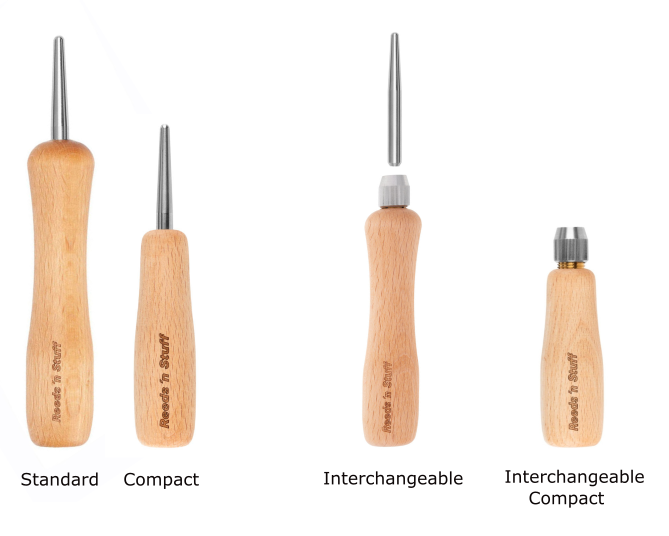
The two basic types of mandrels are forming mandrels and holding mandrels, shown in figure 2.
As their names suggest, forming mandrels are used for forming the tube of a reed blank, and holding mandrels are used for holding the reed during the finishing/adjusting process.
Forming Mandrels
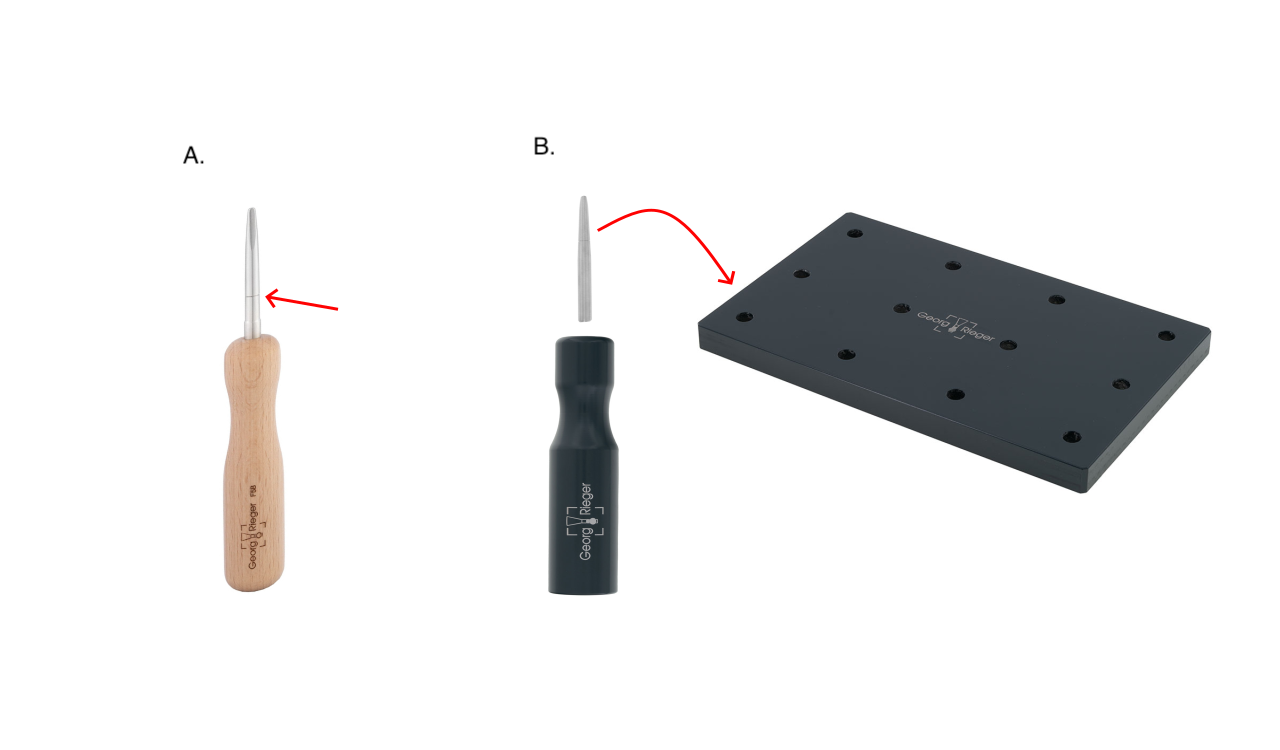
Forming mandrels are designed to help open and round the tube of a blank, and often have longer, narrower tips than holding mandrels. Another common feature, shown in figure 3A, is one or more lines etched into the metal tip, which show how far the mandrel should be inserted into the reed.
Some forming mandrels also feature a removable tip (also called interchangeable forming pins), which can be placed directly into the holes in a specially designed drying board, shown in figure 3B.
Holding Mandrels
Holding mandrels (also called stub mandrels) usually have a shorter tip than forming mandrels, which allows a plaque to be inserted into the blades of the reed. Holding mandrels also help keep the user’s hands a safe distance away from knives and other tools used for reed adjustment.
Product Comparison
Forming Mandrels
- Comes with removable forming pins
- Pins and handle can be bought together or separately
- Designed to be used for the “Herzberg Bevel” Technique (but also works for any reed shape)
- Two lines showing the forming depth and recommended depth after beveling
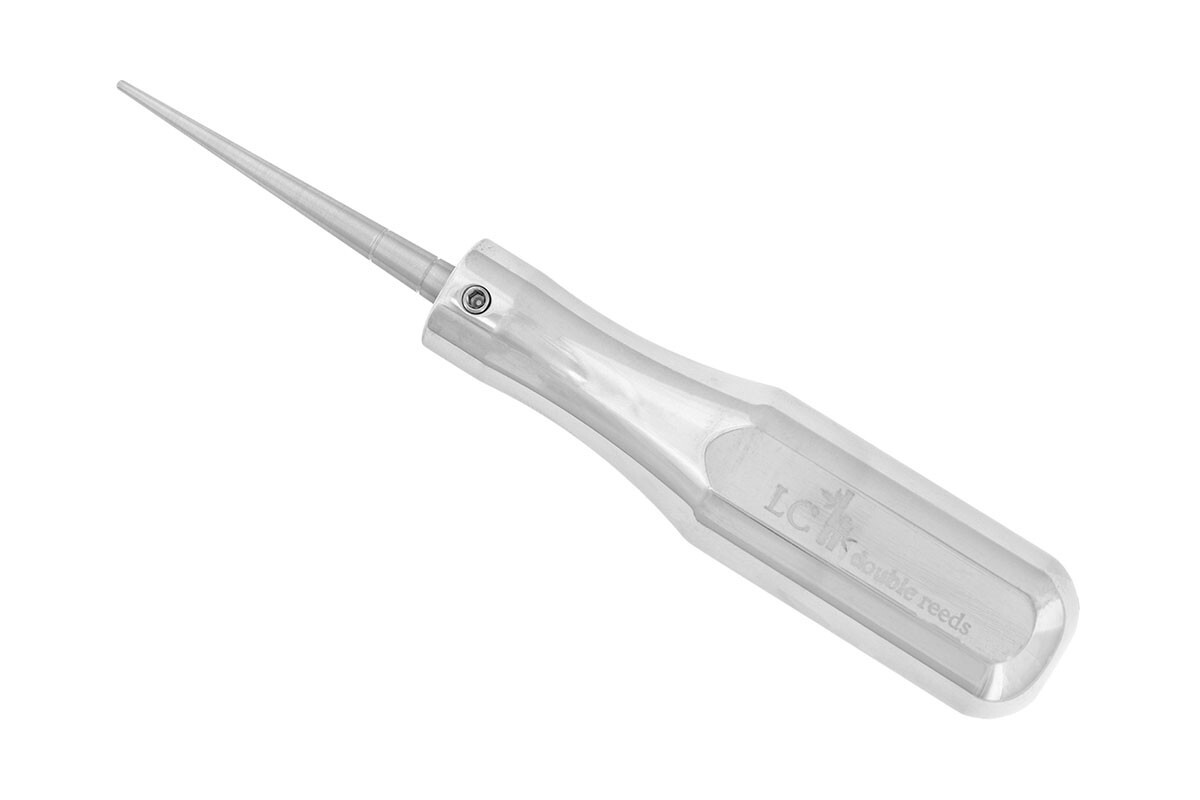
- Features a long tapered tip
Reeds N’ Stuff
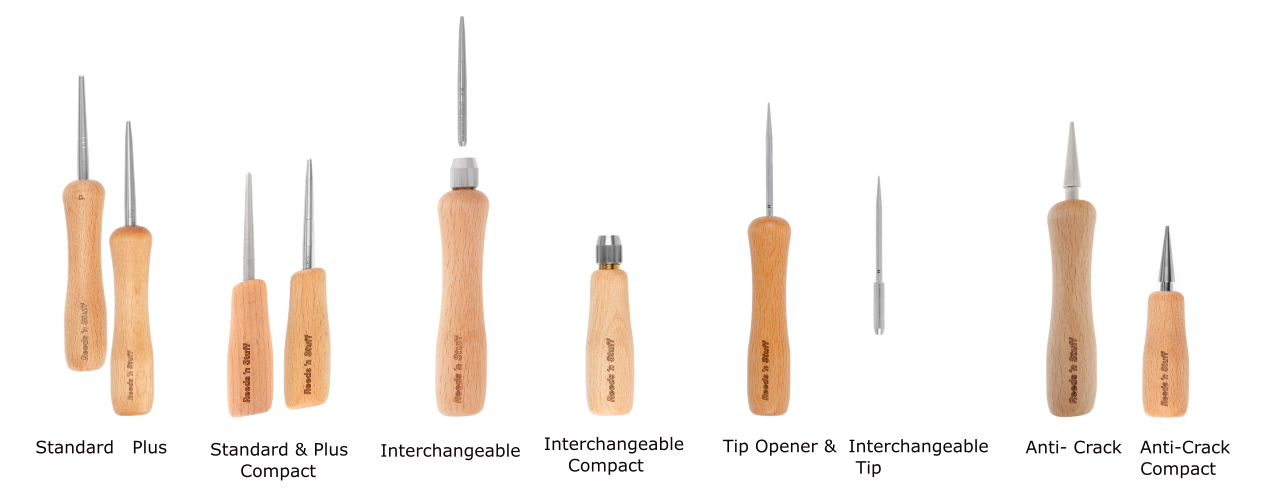
- The classic parabolic shape
- Two tip sizes: standard (2.3mm tip width) and Plus (3.2mm) to accommodate different reed styles
- Also available in compact
- Features a shorter, more steeply tapered tip to reduce cracking into the blade
- Designed to be used with the wires added during forming
- Also available in compact
- Designed to be used with removable forming pins for both bassoon and contra
- Easily pairs with the interchangeable drying board
- Also available in compact
- Features a small needle-like tip
- Designed to open the tip of a reed from the inside, without having to make wire adjustments using pliers
- Also available as an interchangeable tip (to be paired with the interchangeable handle)
Rieger
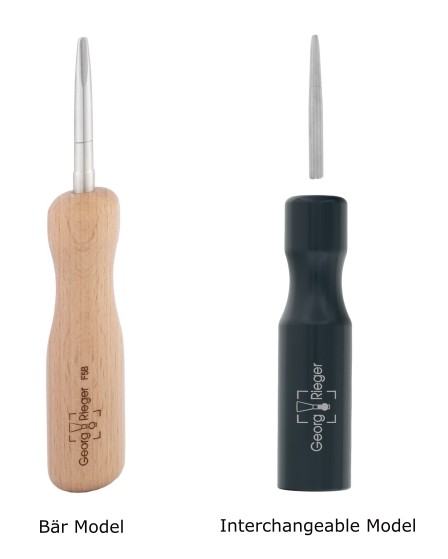
- The classic model
- Forming depth line etched at 30 mm
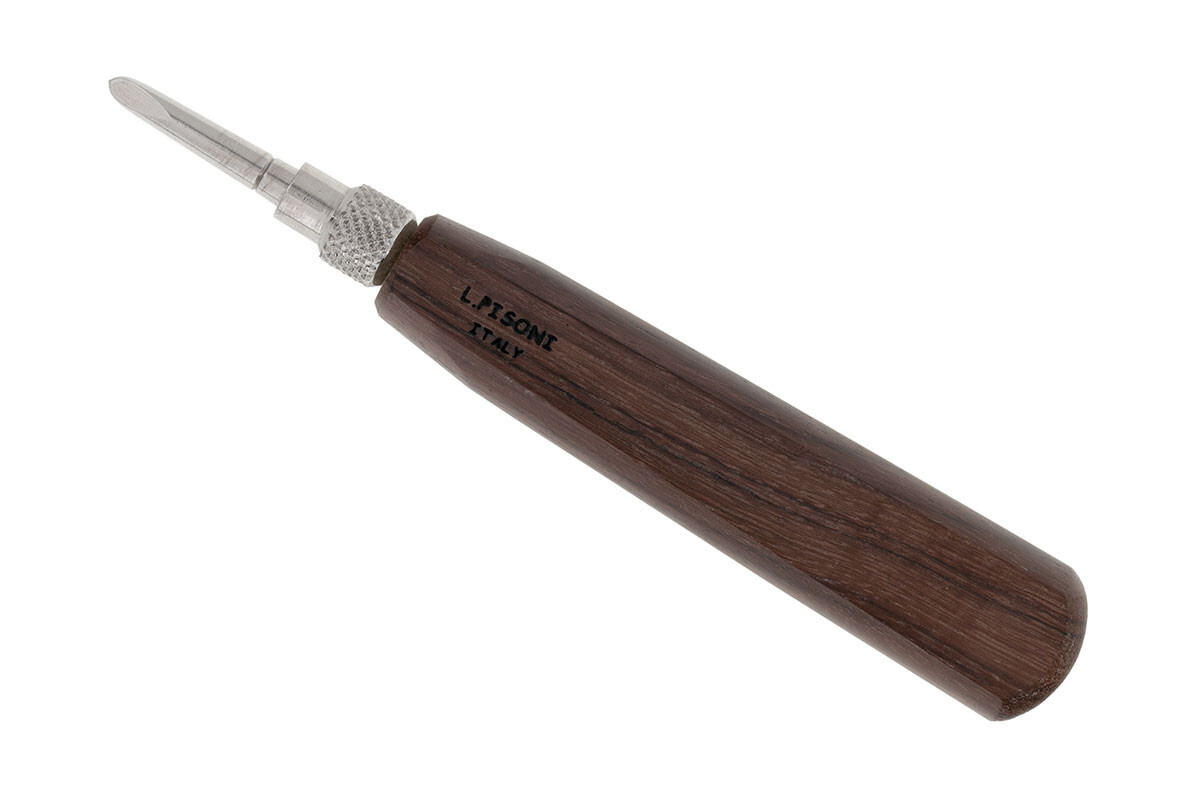
- Features a flat tip, designed to gently open the tube
- Designed to be used with interchangeable mandrel tips and drying board
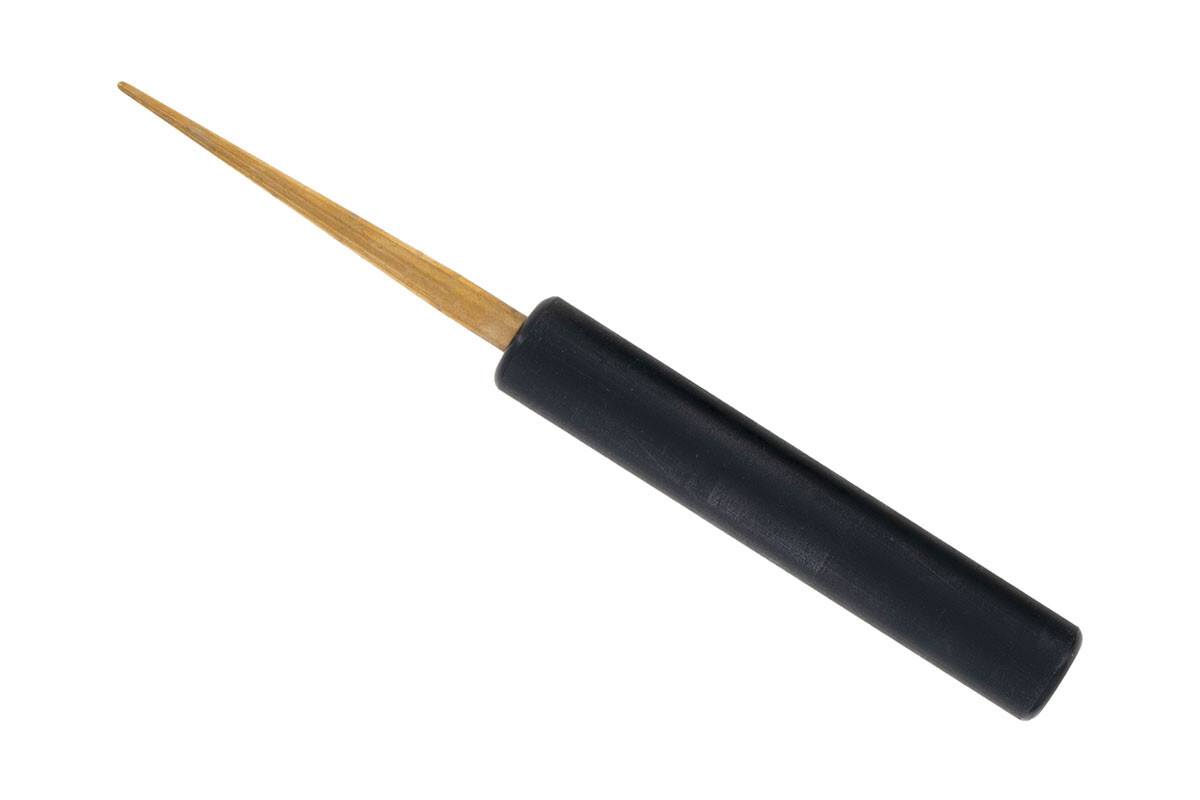
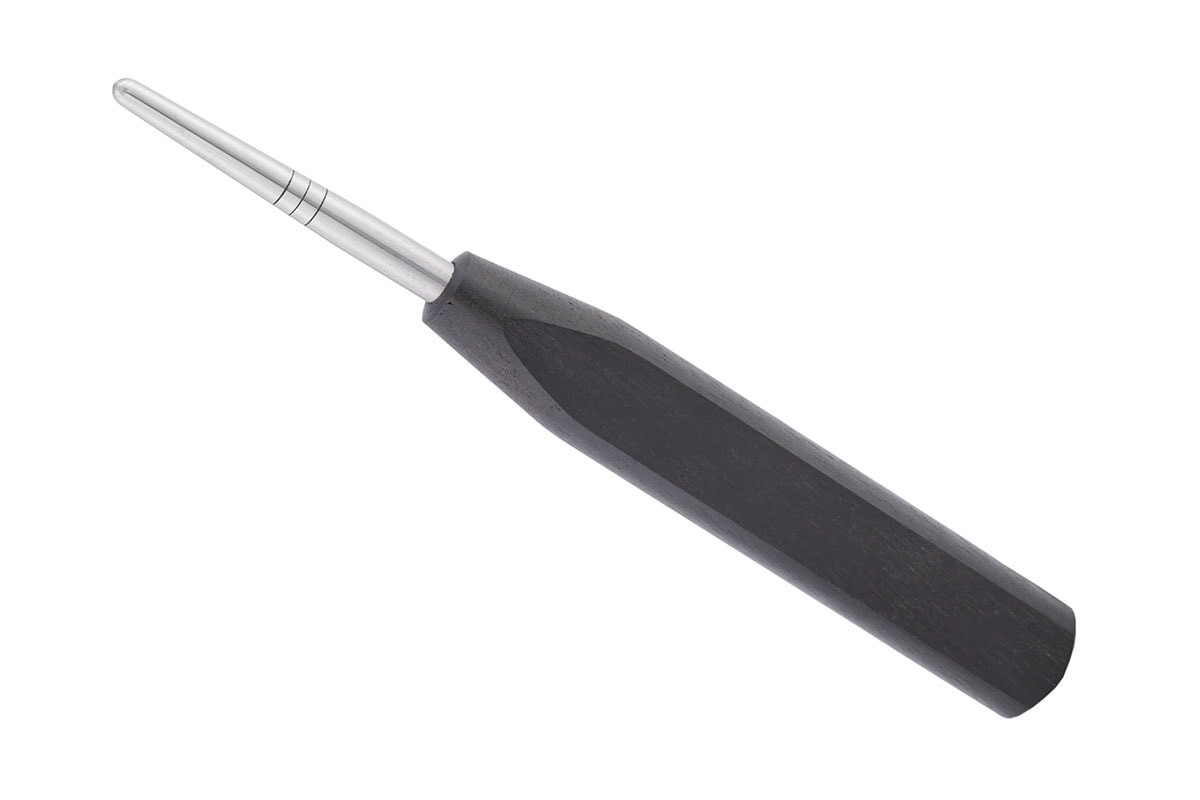
- Features a long stainless steel tip
- Three forming depth lines
- Features a flat tip
- Forming depth line etched at 24mm
- Reed ejector screws upward to push the reed off the mandrel
Holding Mandrels
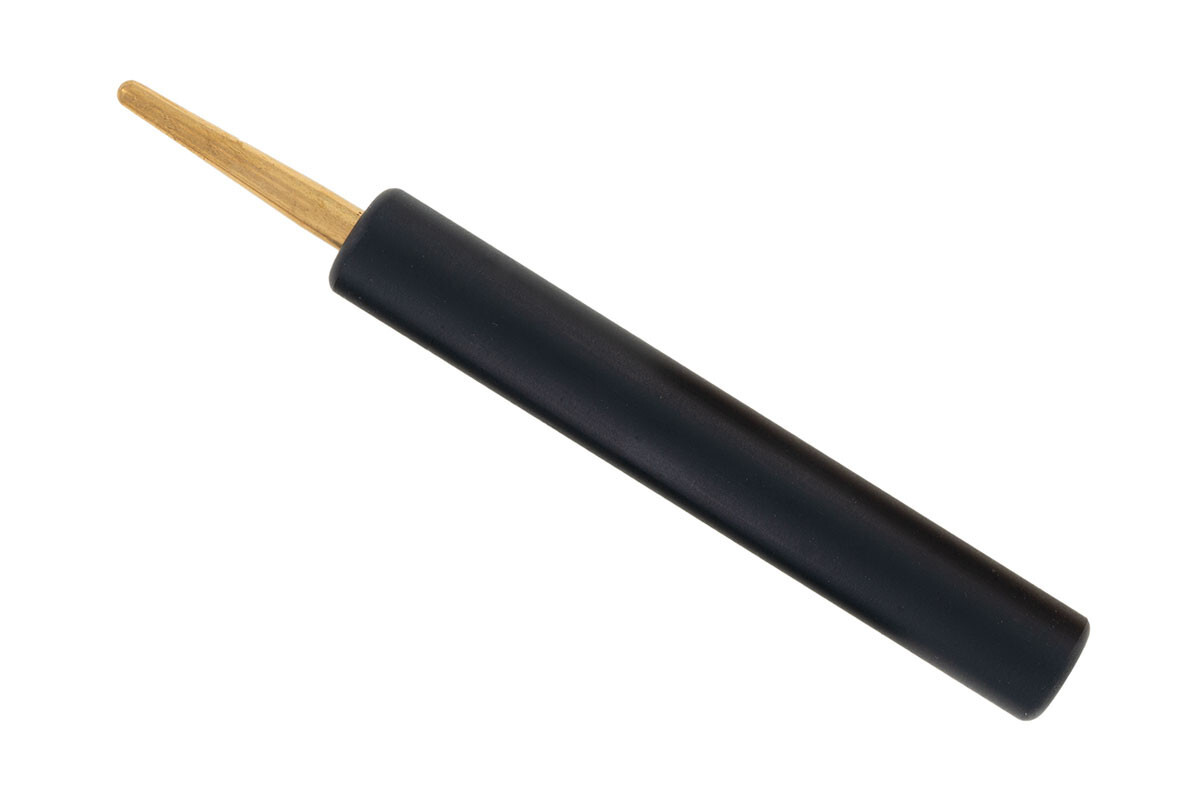
- Also called the “regular” mandrel
- Has a shorter, thicker tip than the forming mandrel
Reeds N’ Stuff
- Shorter tip allows for ample space for the plaque, while still keeping your hands at a safe distance from your knife
- Also available in compact
- Holding pins are slightly shorter and thicker than the forming pins
- Can be used with the interchangeable drying board
- Also works with the compact handle
Rieger (F5 Rieger Model)
- Ergonomically formed beechwood handle
- Similar length pin to the Rieger forming mandrel
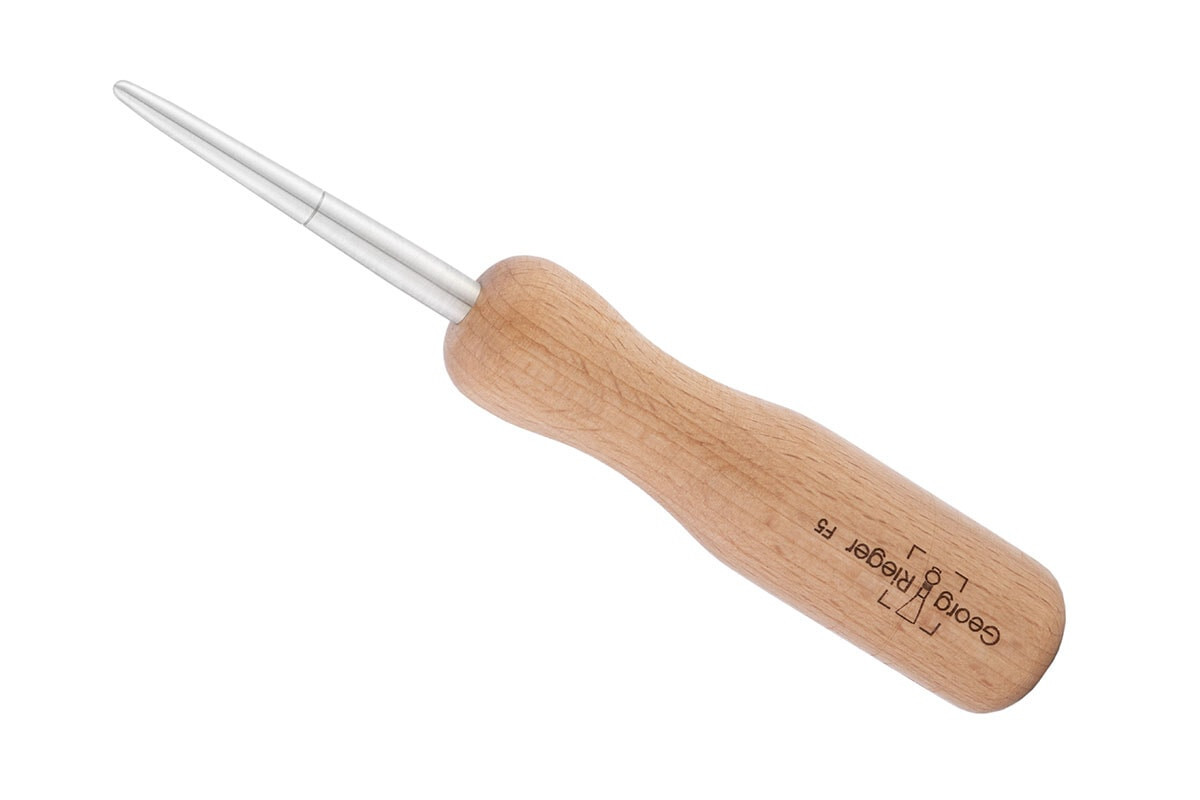
- Features a shorter tip than the forming mandrel
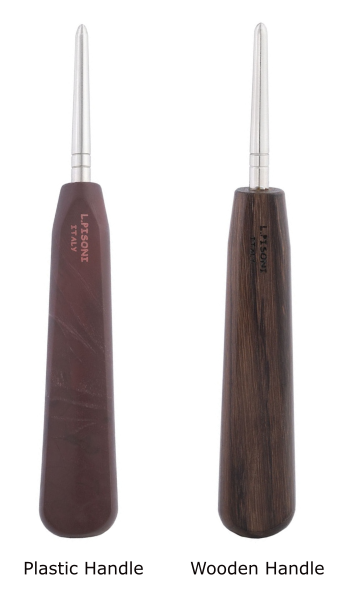
Pisoni
Conclusion
When choosing a mandrel, consider how it will fit into your reedmaking process, your budget, and any special features. Many reedmakers find that the shape of the mandrel tip can significantly influence the amount of cracks that extend into the blade as well as the overall roundness of the tube.
Do you prefer a mandrel with a longer taper? Do you find a flat or parabolic tip easier to work with? Are the forming depth lines helpful? Do you want interchangeable forming pins?
The best way to answer these questions is to experiment with different equipment to find what works for you. A recommendation from a teacher or colleague with a similar reed style to your own can also be a great place to start.
Questions? Contact us through our website or email our bassoon specialist, Dr. Clair Cangialosi at clair@hodgeproductsinc.com
We’re happy to help!