
A Brief History Of The Bassoon: Introduction
Posted by Clair Cangialosi, DMA on Dec 1st 2025
This series will explore the history of the bassoon and its siblings, the tenoroon and contrabassoon. This post will provide a brief overview of the development of the bassoon from the sixteenth through twentieth centuries and subsequent chapters will cover the other instruments.
Table of Contents
Early Woodwind Ancestors
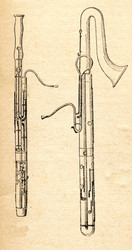
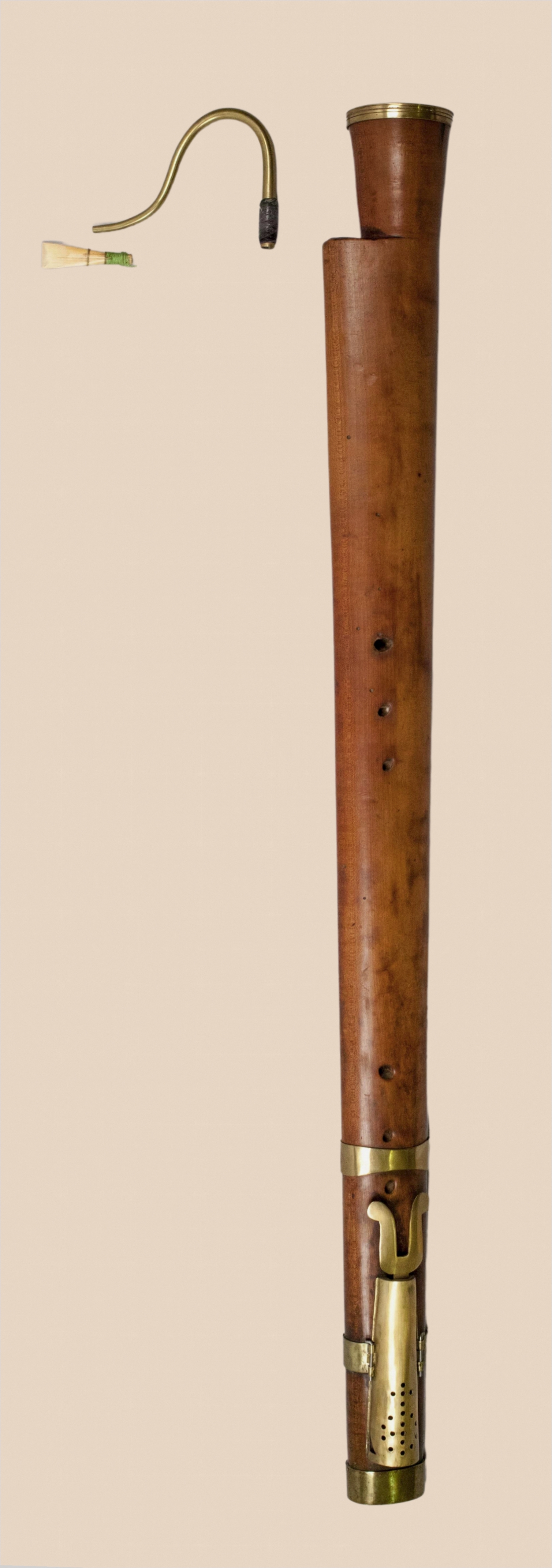
Similarly to other woodwinds, the lineage of the bassoon can be traced back to at least the mid 1500s in Europe. Instrument nomenclature was not particularly specific at this time, and there are four words which may have been used to describe an early bassoon-like instrument: curtal (referring to its shortened, folded bore), dulcian (referring to its more mellow sound as compared to the shawm), bassoon (referring to its role as a bass instrument), and faggot (referring to its resemblance to a bundle of sticks). (1) We will use the term dulcian to refer to the early bassoon-like instrument which was in use from the late renaissance into the baroque era, pictured in figure 1 (right).
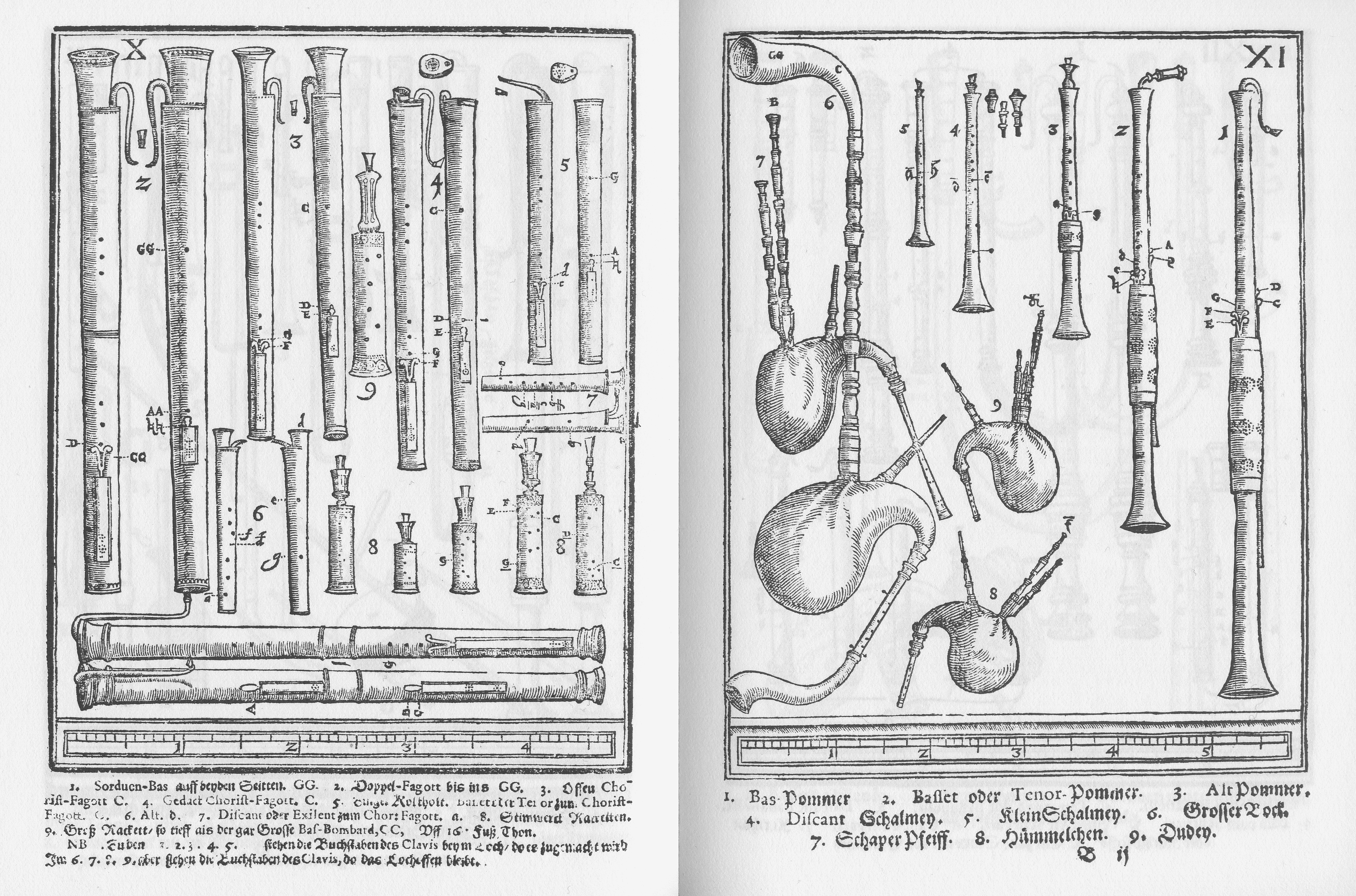
There were other early double reed instruments, such as the shawm and the racket which were eventually supplanted by the dulcian. Both the shawm and the racket were used in rennaisance consorts- families of instruments built in different sizes (the soprano shawm is considered an ancestor of the modern oboe). In his 1620 treatise, Syntagma Musicum, composer Michael Praetorius lists several instruments- the dulcian, shawm (also called a pommer), racket, and a type of bagpie in several sizes. These are pictured below in figure 2.
One speculation is that the dulcian was developed to take the place of these instruments because it borrows the curved crook of the bass shawm and the folded conical bore of the racket. The racket and bass shawm can be heard in the videos below. (2)
The Bassoon Idea
The dulcian eventually supplanted the shawm and racket because it was easier to carry than the gigantic bass shawm and had a sweeter sound than the buzzy racket. A Dulcian consort can be seen in the following video.
The bass version of this instrument is what many would consider to be the direct predecessor of our modern bassoon. The two key characteristics which separated the dulcian from its predecessors- the folded conical bore and deep, narrow “chimney” toneholes- were retained in the construction of the bassoon. Despite centuries of technological advancements and changing musical styles, listeners and players alike have gravitated to the unique sound quality produced by the instrument.
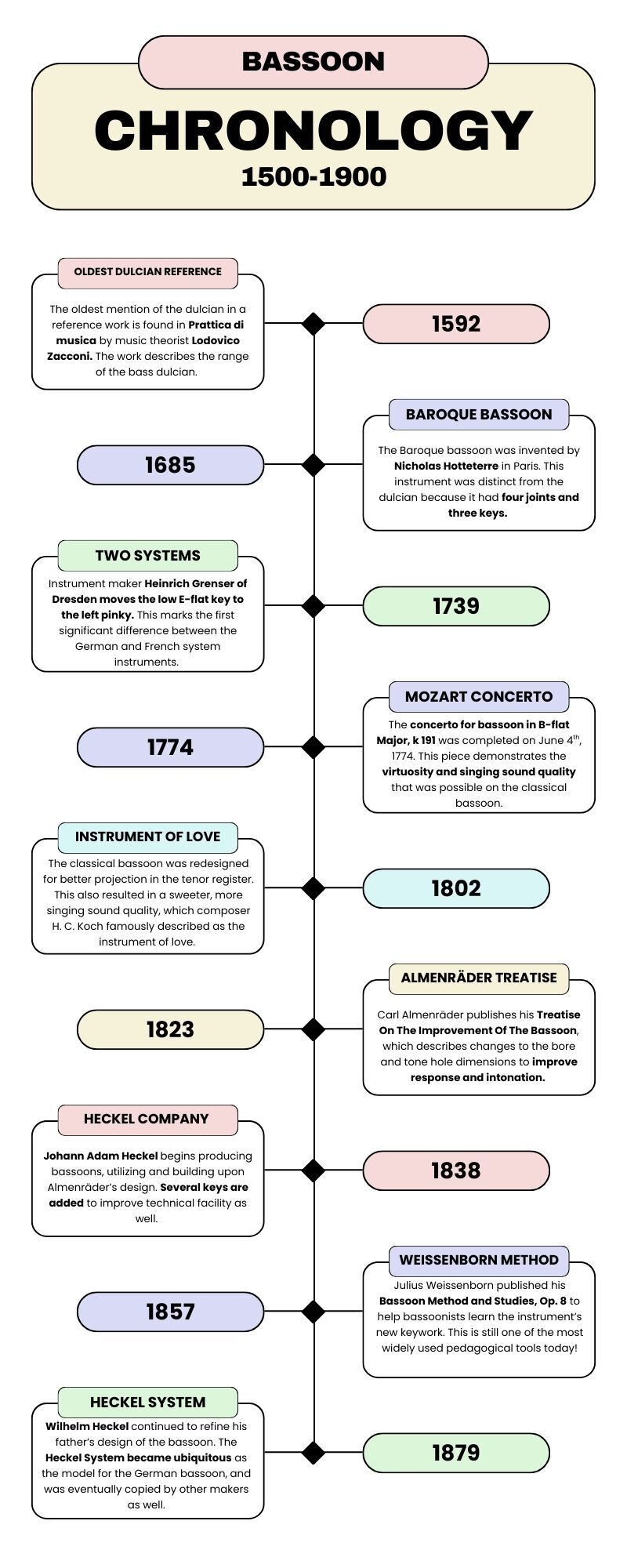
The infographic below summarizes key moments in the history of the bassoon. Subsequent chapters will address important details about the players, instruments, and repertoire for each historical era.
Go to Chapter 1
Go to Chapter 2
Go to Chapter 3
Works Cited:
- Kopp, James B. The Bassoon. New Haven, Yale University Press. 2012. 5.
- Waterhouse, William. “Bassoon, 3. The Early Bassoon.” Grove Music Online, 2001. Accessed September 22, 2025. https://doi-org.suproxy.idm.oclc.org/10.1093/gmo/9781561592630.article.02276