
Advanced Bassoon Reed Adjustments
Posted by Clair Cangialosi, DMA on Feb 24th 2026

Making reed adjustments is a valuable skill for any bassoonist. This post is geared towards players with some reedmaking or adjusting experience. These more advanced reed adjustments will involve using more specialized tools. If you are new to making or adjusting reeds, it may be helpful to read the Reed Adjustment Basics post first. We also recommend consulting your bassoon teacher or an experienced reed maker for more specific advice. Skip to each section below for specific issues, or read on for a more in depth explanation.
Table of Contents:
The Reed/Embouchure System
Many bassoonists can attest that a bad reed can cause problems with intonation, tone production, and articulation. In some cases, it can lead to excessive fatigue or the development of unnecessary tension as a means of trying to force the reed to do what you need it to do. In his book, The Way Of Cane, Eric Arbiter notes, “...Individual bassoonists must find their own way to interface with the reed to accomplish their own musical, sound, and endurance situations.” (1)
Making careful adjustments to a reed can drastically change the way it sounds and feels to play. A reed that functions well should allow the player to produce their ideal sound quality while also playing in tune and with musical nuance. Aside from choosing a reed style that is a good match for your playing setup, making adjustments for response, intonation, and tone quality (in that order), can help ensure that your reeds function reliably.
Response refers to how readily a reed vibrates when air is blown through it, including how easy or difficult it is to play with clear articulation.
Intonation refers to the tuning of reed in general- controlled by its proportional dimensions (length, width, thickness, etc), as well as the tuning of specific notes. Since we cannot change the length of the bassoon (i.e. pushing in or pulling out) to adjust our tuning, we must rely on reeds being constructed to vibrate at the correct pitch level- around A=440 Hz.
Tone Quality refers to the blend of overtones which are present in the sound. Tone is often described using adjectives such as bright, dark, warm, rich, buzzy, muffled, clear, nasal, etc. This is heavily impacted by the instrument, bocal, reed shape, and player. Readers should be cautioned against overprioritizing a “pretty” tone, as this can negatively impact intonation and the ability to maintain a flexible embouchure. (2)
These three factors build on each other. One cannot expect to play with a beautiful sound if they are struggling to play in tune. It is difficult to play in tune on a reed that does not respond well. Most adjustments will impact all three factors. It is wise to start with adjusting for response because the intonation and tone will also likely improve. Conversely, if a reed has an undesirable tone, it probably does not play in tune or respond well (or the way it is constructed is not a good match for your playing setup).
Before You Begin
Ensure that your instrument is in good working condition, and that your reed does not have any cracks or moldy spots. Soak your reed in warm water for 1-2 minutes. After soaking, check that the wires are snug (not too tight). If they are loose, soak for another 1-2 minutes or tighten them very slightly.
Gather your tools:
- A reamer
- A holding mandrel
- A plaque
- A triangle diamond file (fine grit)
- A knife
- A ruler (preferably with millimeters or 32nd")
- A desk lamp
- A tuner
Familiarize yourself with the reed diagram in figure 1. It will be referenced throughout this post.
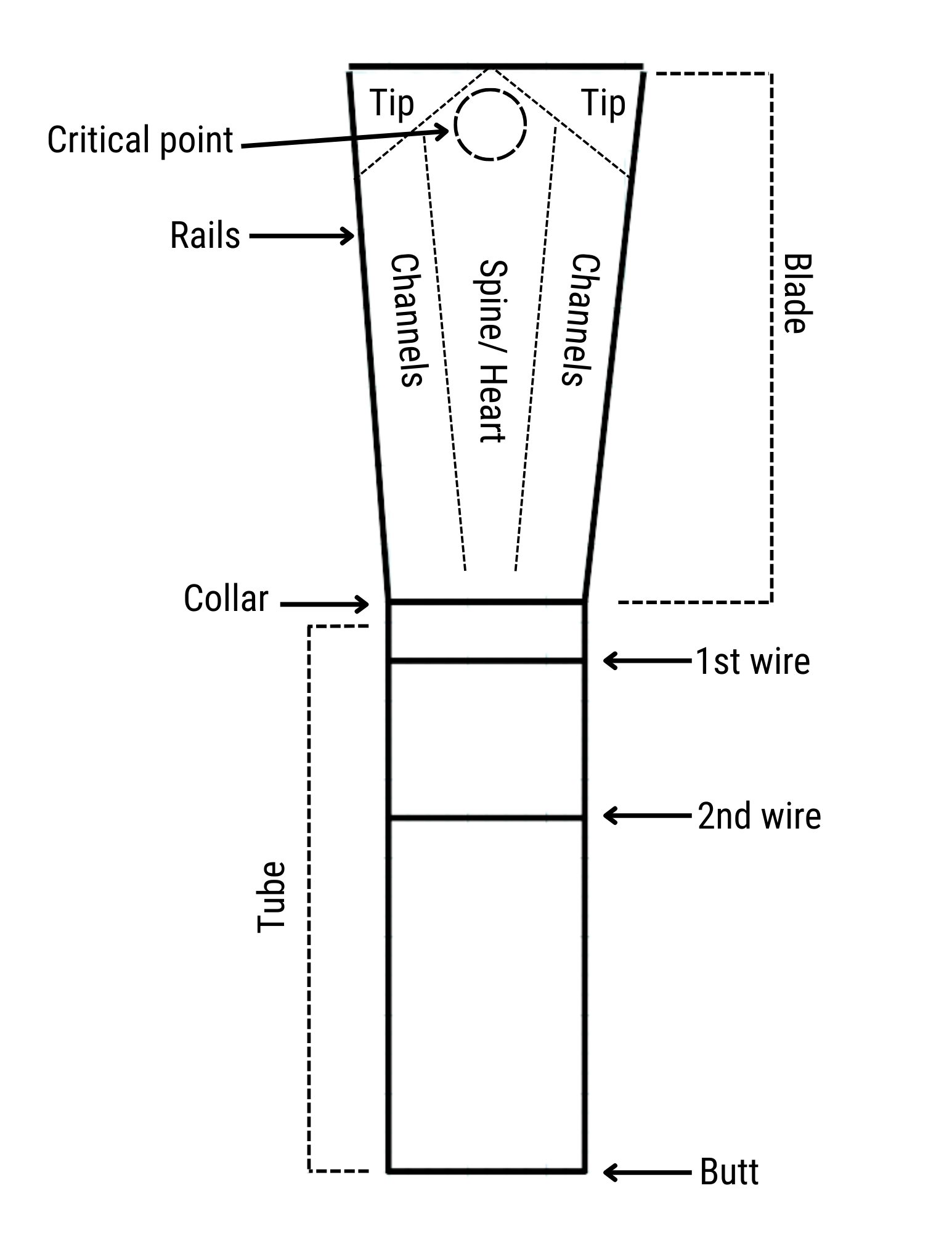
Tests and Adjustments
Test #1: Crow
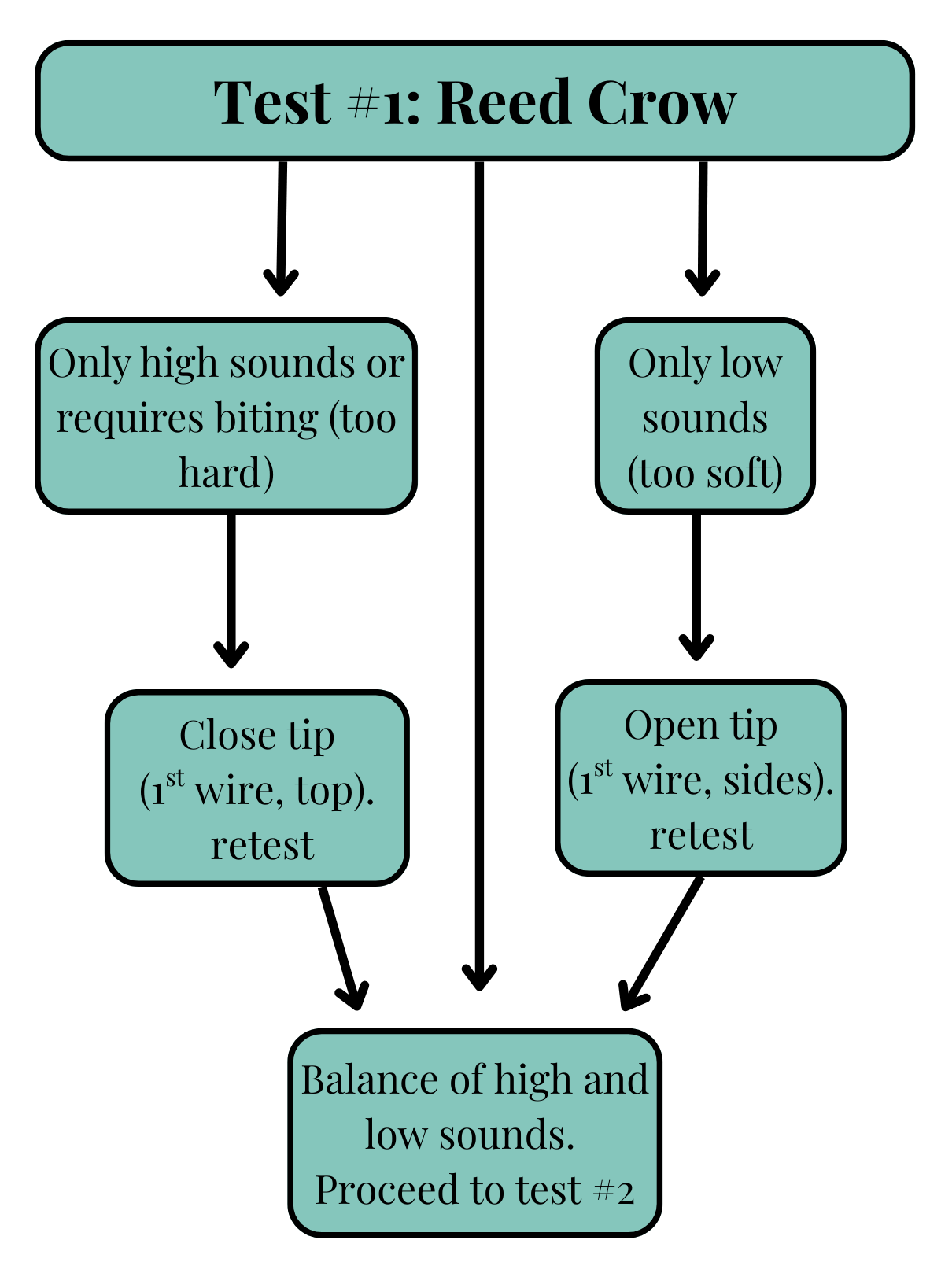
The crow is an important indication of how a reed will play. To test the crow, put the reed in your mouth up to the first wire, and blow air through it until a pitch sounds. In addition to this single pitch, will the reed also produce a crow with simultaneous high and low notes? Take note of the general pitch. Adjust the wires using the flow chart in figure 2 until a crow with both high and low sounds can be produced without strain.
Marc Eubanks recommends that for most players on most instrument/bocal setups, a reed should crow somewhere between an F and a G. (3) If the crow is lower than an F or higher than a G, it can indicate that the reed will not play in tune. Cross check with intonation tests below.
Test #2: Basic response

Play a 2 octave F Major scale, slurred, then tongued. Do all notes speak clearly, without biting or straining the throat or breathing muscles?
If yes, proceed to intonation tests.
If no, make adjustments below before continuing:
- Check for a normal size tip opening (1/16"). Open or close as needed, then retest.
- Check that the leading edge is as thin as possible (should not see wood grains). Use a knife or triangle file to thin the leading edge
- Check for an even taper from front to back by feeling the blades with your fingers. Sand any uneven spots.
- If response is heavy or requires biting, file or sand across the back 3rd of both blades to reduce resistance.
Test #3: Primary Intonation
In order to play in tune, a finished reed must allow for the correct bocal depth, be the correct length, and have a balanced scrape. Repeat the 2 octave F Major scale, noting the general intonation.
If flat overall or overly buzzy:
- Adjust wires for more blade arch (1& 2 top).
- Check bocal depth. Cross check with pitch on C3- if the reed does not go far enough onto the bocal (usually about 3/8th”), C will be flat. Ream as needed, re testing in between adjustments.
- Check the vibrating length (first wire to tip). Cross check pitch on E3, F3 & C#3. Clip back 1/32nd inch at a time, recheck in between each clip (may need to rebalance the tip after clipping).
- Let the reed sit out to dry overnight, then retest.
Avoid biting to raise the pitch. If the reed is still flat and has been clipped to an inch or less, the cane may be too soft. It may harden up a bit with time. A reed that is too flat at sea level might come in handy when playing at a higher altitude!
If sharp overall or the sound is muffled:
- Adjust the wires for less blade arch (1st & 2nd, top)
- Under a light, check for an even taper from the center towards the outer corners of the tip. Use a file or a knife to thin the tip/ corners slightly. Avoid removing cane from the critical point.
- Scrape the channels, working from back to front, and off onto the plaque. Cross check with pitch on A3 (tuning A) by slurring from A2 to A3.
- Use your fingers to feel for any bumps or uneven spots.
- File or scrape across the back 3rd of both blades.
- Move the first wire back slightly.
If still sharp, the reed style might be too short or heavy for your set up.
Test #4: Secondary Intonation
In most cases, tests #1-3 should get a reed “in the ballpark.” However, depending on your instrument and performing situation, more detailed adjustments may be helpful to further customize your reeds. These tests require the most in depth scraping technique.
4a. E-Flat 3/D 3 Comparison
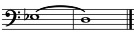
Compare intonation on forked E-flat (LH 1& 3 only, leave off RH/ pinky resonance key) and D3. Go back and forth between slight scraping and wire adjustments until both E-flat and D are in tune. Also cross check with Ab/Bb trill test below. (4)
If flat:
- Round both wires slightly. Retest
If sharp:
- Close both wires. Retest.
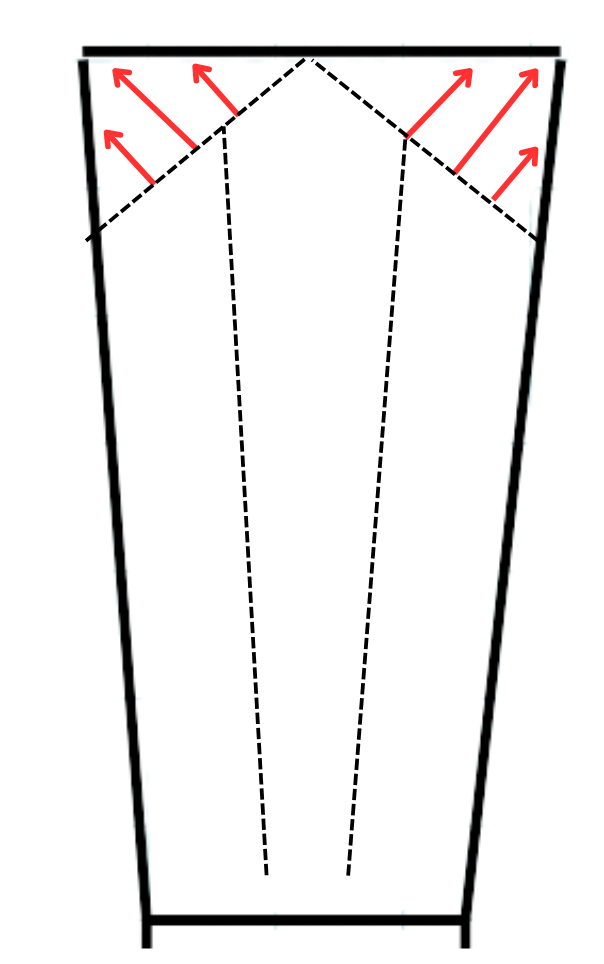
- Thin and taper the tip, scraping on a diagonal out towards each corner as indicated in figure 3. Avoid removing too much cane from the front of the rails. Retest.
4b. A-flat/B-flat trill test:

This test helps center the pitch from B-flat 2 down to low f, which tend to be sharp on many instruments. Play low A-flat, trill RH 2 as indicated in figure 4 (right).
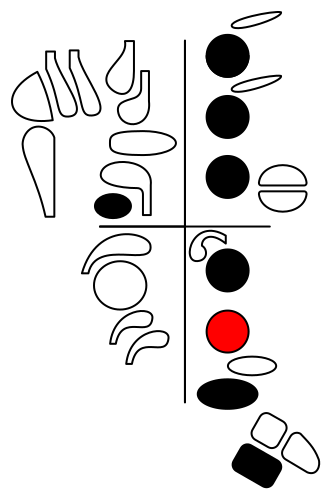
If flat:
- Check pad heights and check for leaks.
If sharp or produces a multiphonic on the trill
- Scrape the mini channels (directly on either side of the spine/ center) in the front 3rd of the blade as in figure 5. (5) Also cross check tuning on B- flat 4. (6)
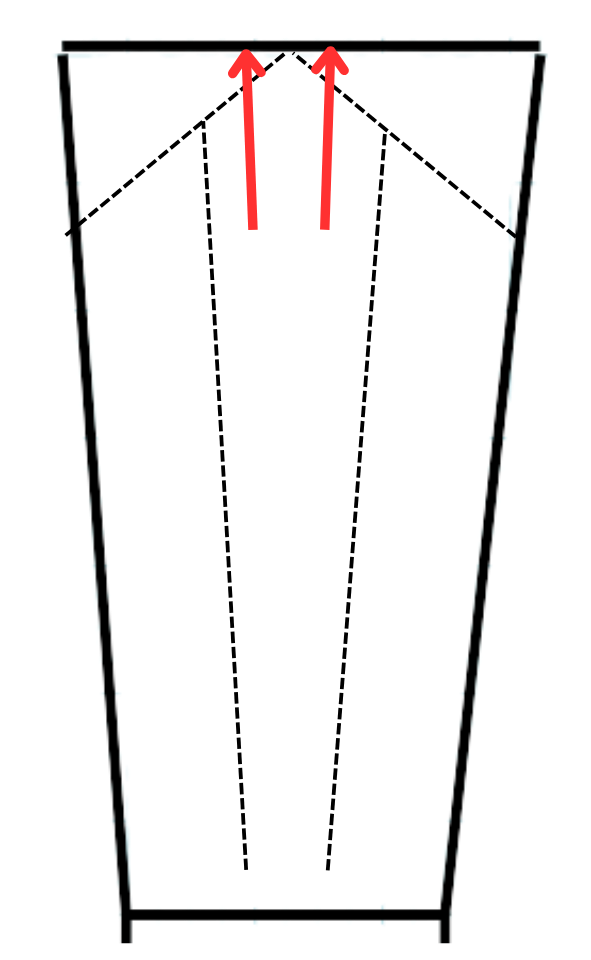
4c. Low register
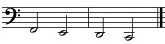
Slur slowly from Low F down to low C. Check the intonation.
If flat:
- Check pad heights and check for leaks.
If sharp:
- Scrape across the back 3rd of the blade, as indicated in figure 6.
- In extreme cases, use a razor blade (with plaque & mandrel inserted) to thin the area directly in front of the collar on both sides. Only remove very thin slices to avoid cutting too deep.
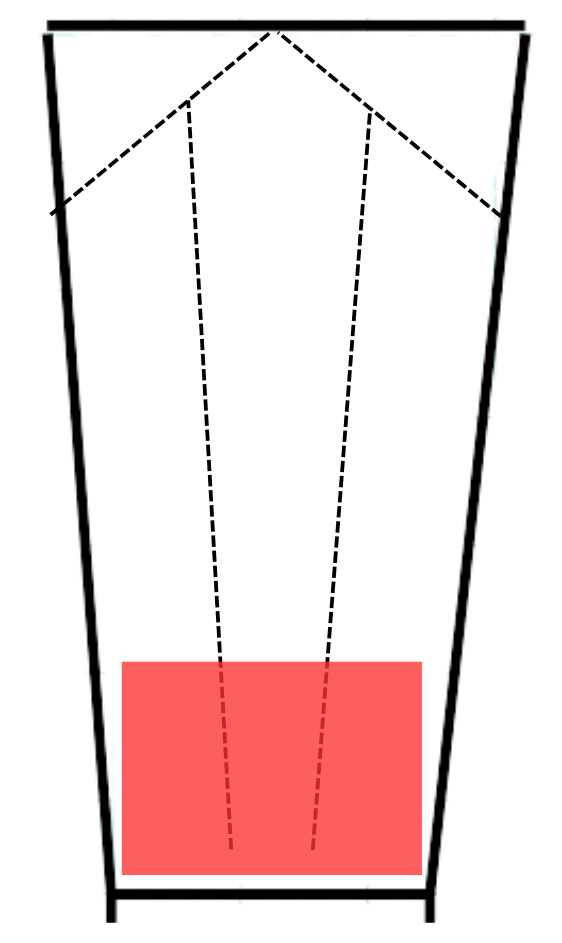
4d. Middle Register
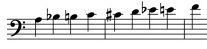
Play chromatically from A3 to F4, both slurred and tongued.
If flat:
- Check for an even rail taper (with a plaque inserted). Use a file to even out any thick spots. Retest.
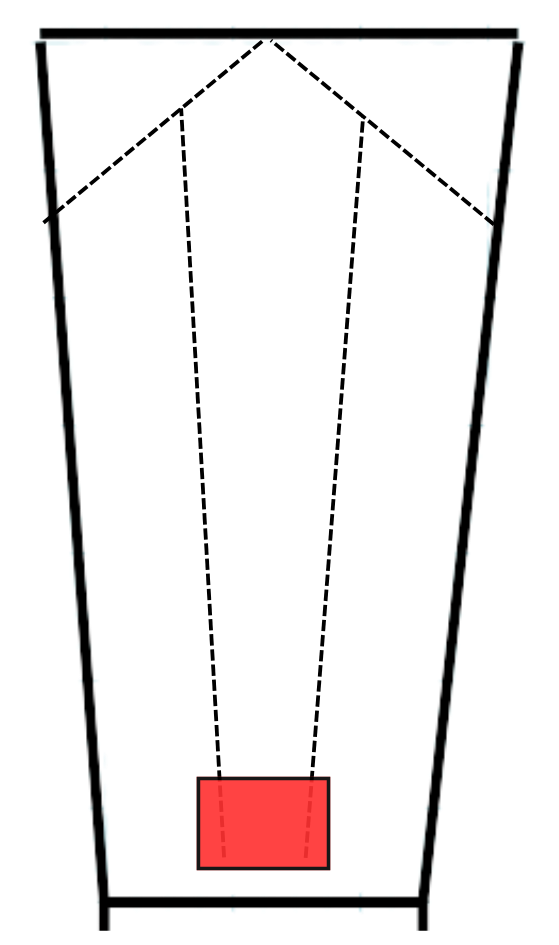
- File across the window (center of the back) as indicated in figure 7. Cross check with low register intonation. Removing cane from the window will make the reed more flexible, which helps with air and embouchure adjustments in the tenor register.
- Check for an even channel taper from front to back. Scrape channels slightly to lower pitch. Retest
Conclusion/ General thoughts
- A reed that performs well should have a balance of stable intonation with enough flexibility to make adjustments in context (i.e. justified intonation).
- Be careful not to overscrape. Reeds change from day to day and often need time to settle after adjustments.
- If you have to make a lot of large adjustments to bring certain “trouble” notes in tune or can’t stay in tune generally, you may benefit from a reed adjustment.
- If a reed is very taxing to play on, or can only play loudly, the style might be too resistant for your set up.
- Adjust reeds primarily for response and intonation. If a reed responds well and plays in tune, but you don’t like the tone quality, consider trying a different reed style.
Questions? Contact us through our website or email our bassoon specialist at bassoon.hodgeproductsinc@gmail.com
Works Cited:
- Arbiter, Eric, The Way Of Cane, (Oxford University Press, 2020) p. 39.
- Bellamy, Cayla. “Reed Adjustments” Cayla Bellamy, Bassoon, Accessed December 4th 2025, https://www.caylabellamy.com/adjustments.html
- Marc Eubanks, “Preliminary Tuning and Evaluation” Arundo Research Company, accessed December 11th 2025.
- Marc G. Eubanks, A Quick Guide to Bassoon Reed Tuning, (Arundo publications, 2017), p. 7
- Marc G. Eubanks, A Quick Guide to Bassoon Reed Tuning, (Arundo publications, 2017), p. 8
- Marc G. Eubanks, A Quick Guide to Bassoon Reed Tuning, (Arundo publications, 2017), p. 11