
Bassoon Reed Wrapping Methods Compared
Posted by Clair Cangialosi, DMA on Jan 26th 2026
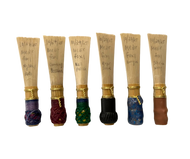
For bassoonists, the way we wrap our reeds largely comes down to personal preference. Here at Hodge Products, we offer a variety of options to suit almost any style and budget. This post will offer a short tutorial on how to use the different wrapping options as well as pros and cons for each. Read on for the details or skip to each type below.
Table of Contents:
- Overview of Wrapping Options
- Nylon Thread
- Cotton Thread
- Hot Glue
- Heat Shrink Tubing
- Rieger Plastic Tube Sleeve
- Duco cement
- Beeswax
- Nail polish
- Wrapping Tutorials
- Thread
- Sealing with Beeswax
- Sealing with Duco/ Nail Polish
- Hot Glue
- Heat Shrink Tubing
- Rieger Plastic Tube Sleeve
- Conclusion
Overview Of Wrapping Options
Nylon Thread
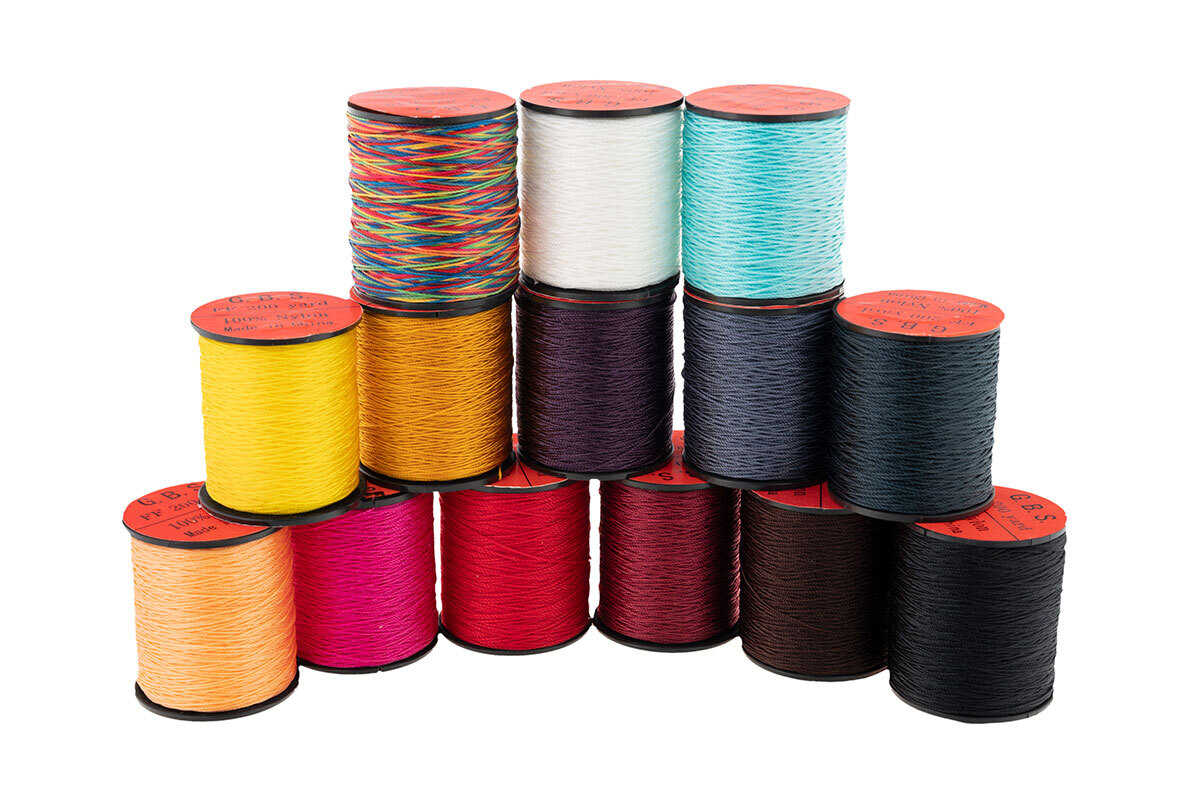
Nylon is a synthetic fiber which was first developed in the United States during the 1930’s, and was first used to create fabric in 1940. Today it is used in a variety of textiles (sometimes blended with other fibers) including thread. Nylon was designed to be durable with more elasticity than cotton thread. We currently stock four brands of nylon thread in two different thicknesses: FF (the standard size, suitable for both oboe and bassoon reeds) and #2 (slightly thicker than FF, only suitable for bassoon reeds). Both thread sizes come in a variety of colors!
Cotton Thread
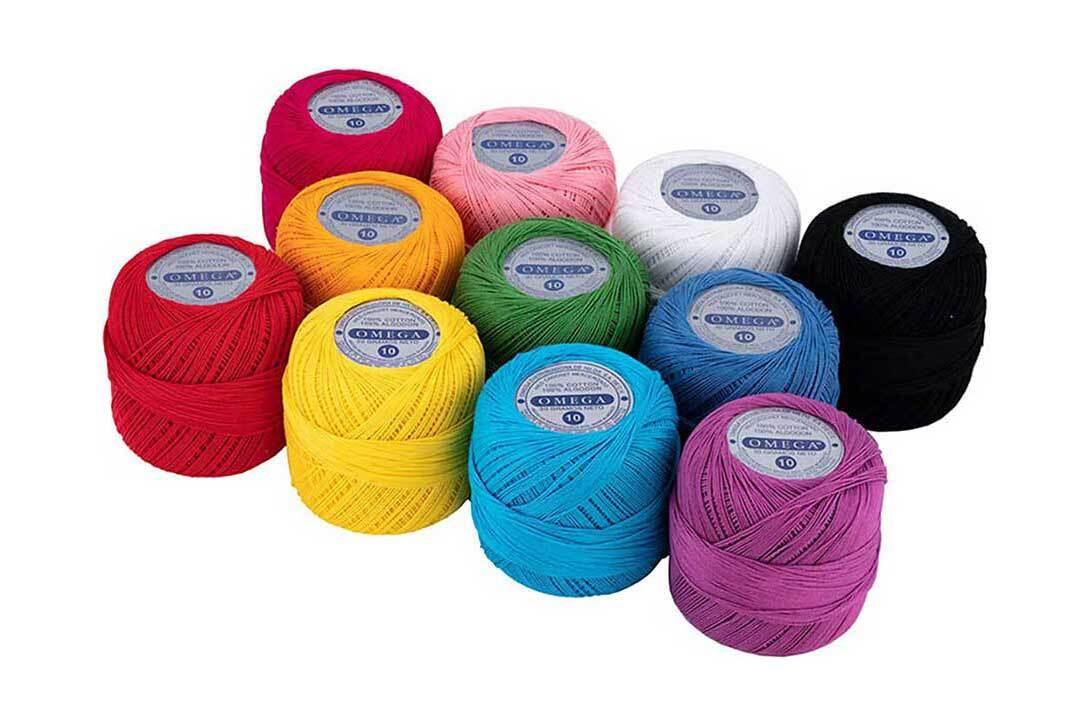
Cotton thread is made from 100% cotton fibers. The #10 thickness is commonly used for crochet projects, but is also great for wrapping bassoon reeds. Cotton thread is strong, but has less elasticity than nylon. It is also more absorbent than nylon- glue or beeswax will soak into the cotton fibers. We carry Omega brand cotton thread in 11 colors!
Hot Glue
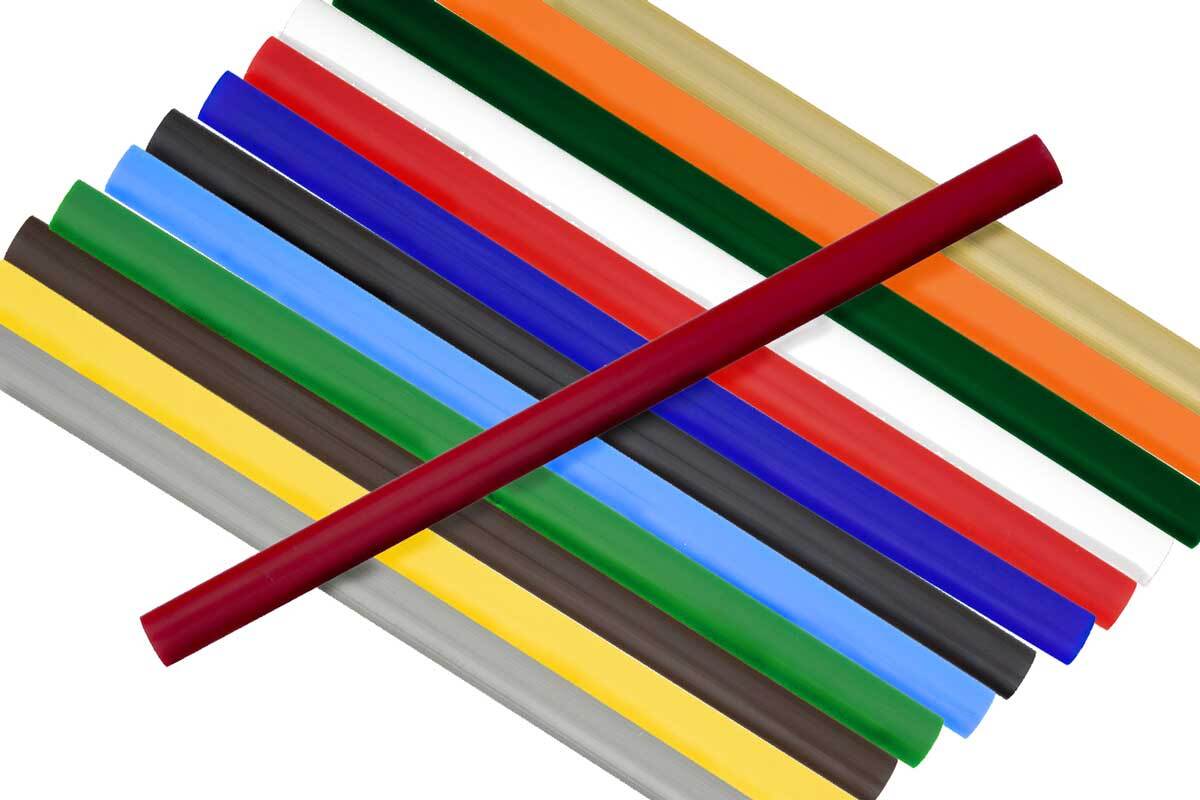
Hot Glue is made from a special type of plastic, usually sold as cylindrical sticks. It is often used for arts and crafts projects and is applied using a hot glue gun (sold separately). The glue becomes very sticky when heated (often hot enough to burn skin), but cools and resolidifies quickly. Sealing reeds with hot glue is quicker than traditional thread wrapping, but caution is advised to avoid injury, especially with younger students. Hot glue comes in a variety of solid and glitter colors.
Heat Shrink Tubing
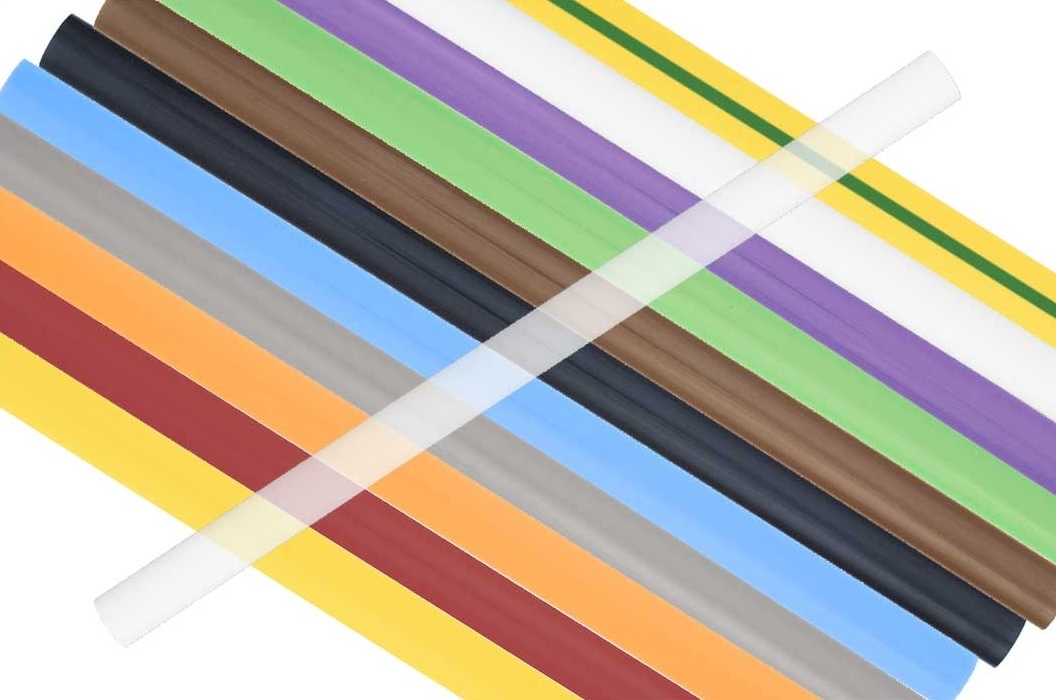
Heat shrink tubing is made from plastic, and was originally used to protect electrical wires. It is designed to shrink in diameter when heated, resulting in an airtight seal. Each heat shrink tube can easily be cut to the correct length to fit over the tube of a reed. Comes in twelve colors.
Rieger Plastic Tube Sleeve
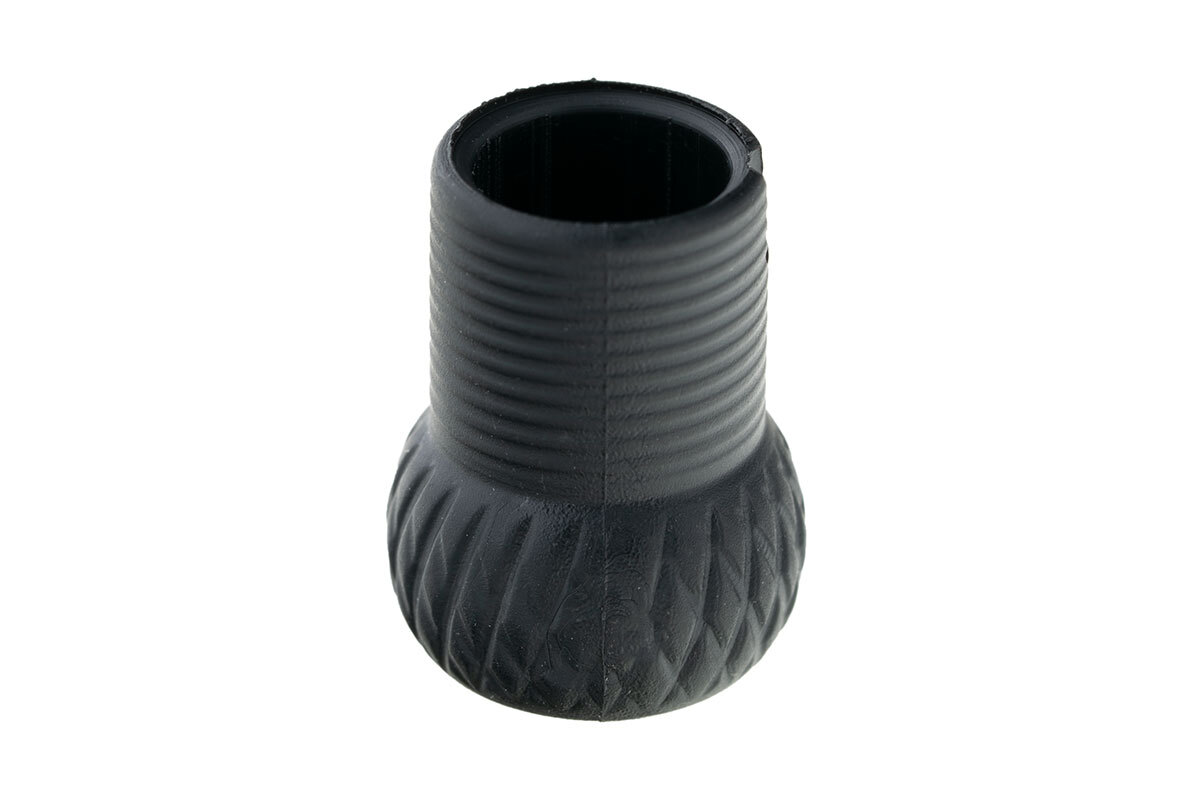
The Rieger Plastic Tube Sleeve is made from hard plastic designed to look like a traditional thread wrap. It is placed over the tube of a reed (secured using Duco Cement) for a quick and easy way to seal bassoon reeds. Note that the bottom wire should be removed before applying the Tube Sleeve. Comes in black.
Duco cement
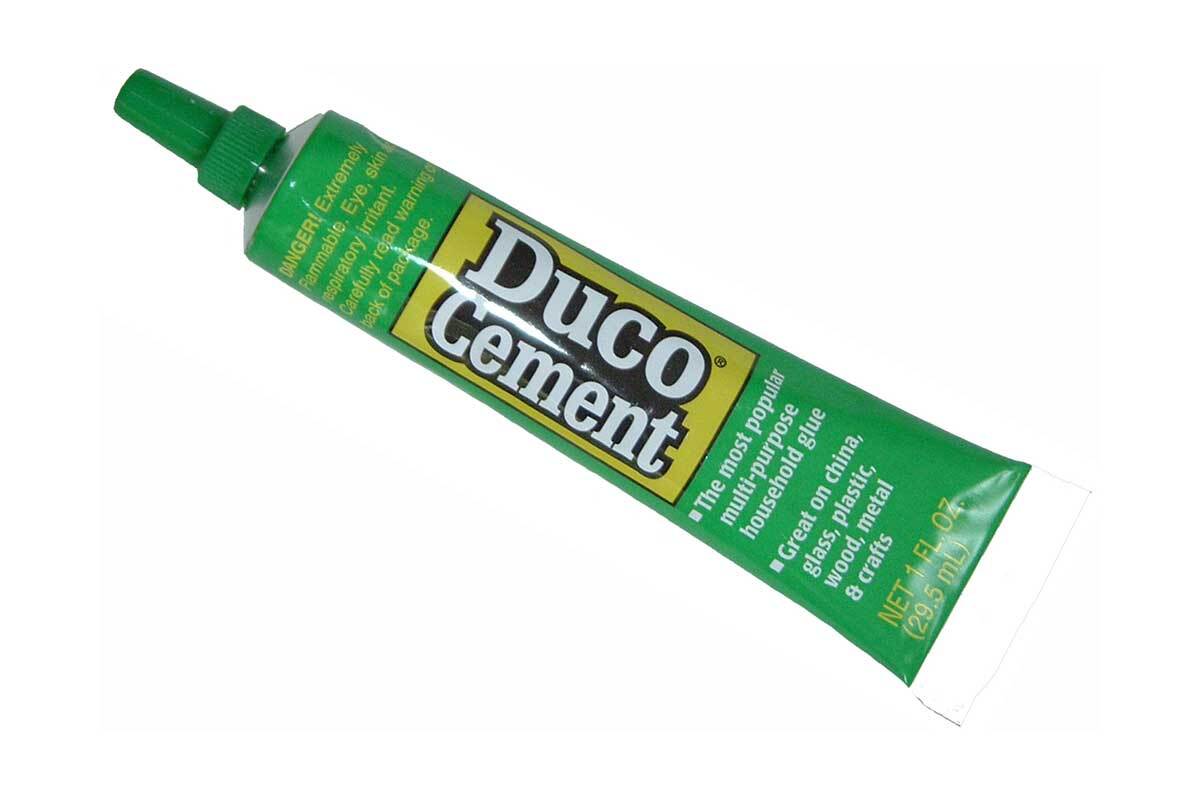
Duco cement is one of the most common options for sealing reeds. Many reedmakers use duco cement because it dries quickly (dry to the touch in about five minutes, completely set in sixteen hours), and creates a strong, water resistant coating. Duco can be used alone or over thread- it dries completely clear which is ideal for those looking to customize the color of their reeds.
Beeswax
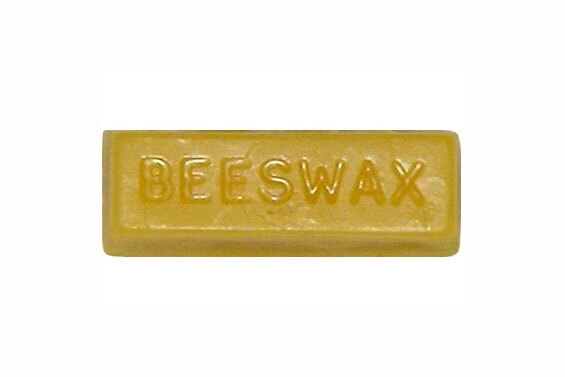
Beeswax is a natural wax made by honey bees. It is collected by bee keepers as part of the honey harvesting process (which does not harm the bees). The wax is then filtered to remove any impurities before being used to make candles, cosmetics, other household items- and for wrapping bassoon reeds. Beeswax smells slightly like honey, and is a great alternative to duco cement. Note that melted beeswax will soak into cotton thread, creating an airtight seal. However, it is best applied to nylon thread before wrapping.
Nail polish
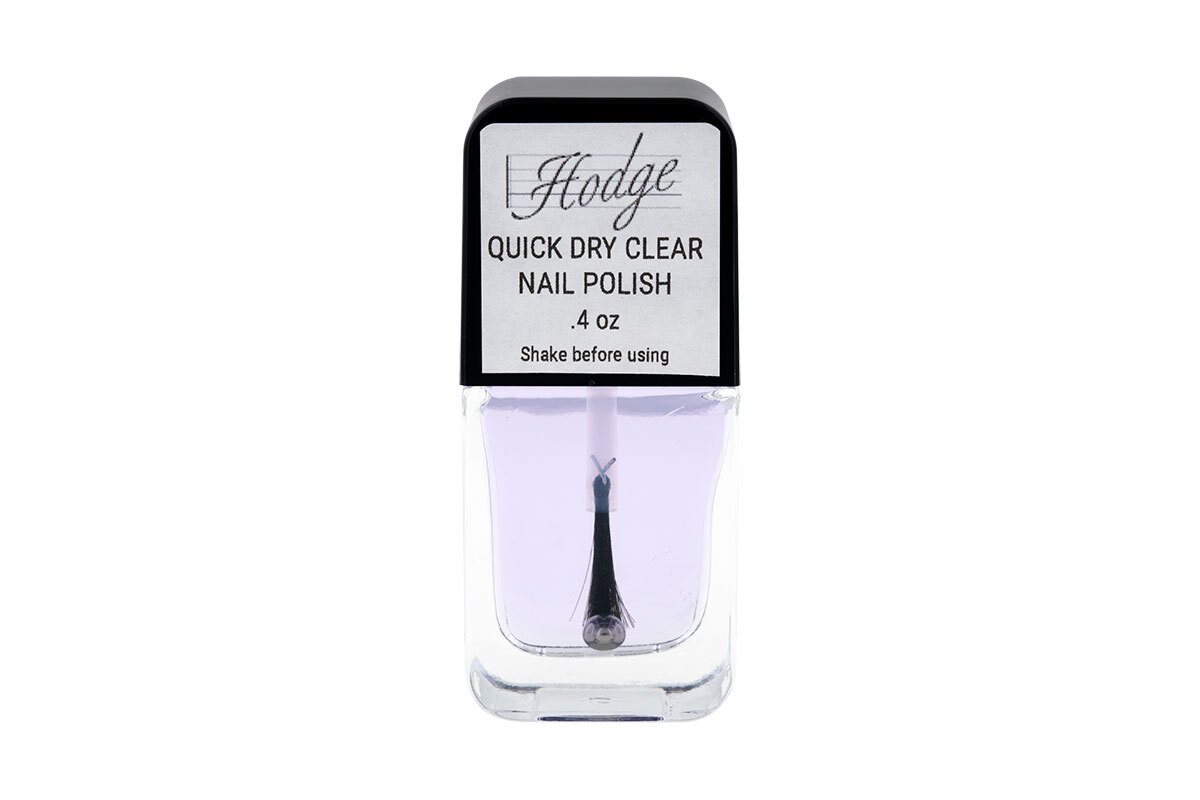
Clear nail polish is another alternative for sealing reeds.The brush applicator makes it easy to apply straight to the tube of a reed or over thread. It does create an airtight seal, but may not have as strong of a hold as duco cement. The nail polish we carry dries clear and is ready to use within a few minutes.
Wrapping Tutorials
Thread Wrapping
Hot Glue
Beeswax
Duco Cement
Heat Shrink Tubing
Rieger Plastic Tube Sleeve
Nail Polish
Conclusion
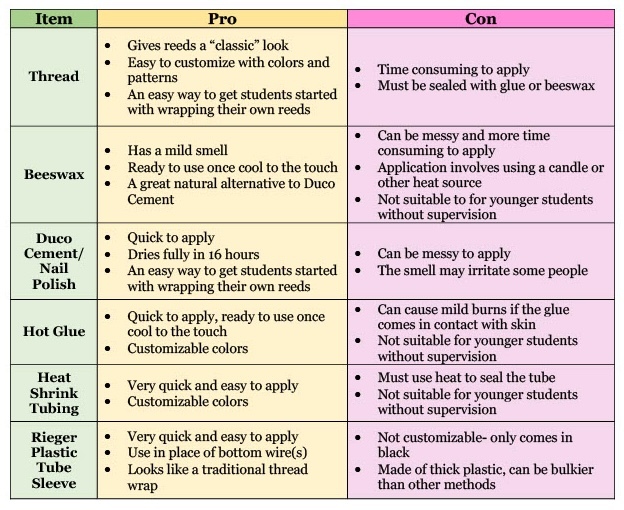
Still can’t decide what type of reed wrapping is right for you? The pro/con chart below may help you decide. Consider factors such as personalization with colors, how much time you want to spend on wrapping reeds, and if you feel comfortable using heat to seal your reeds.
Edit: Bonus Method
An additional reed wrapping method, using plastic toothbrushes melted in acetone was suggested by a reader, Tom Schubert. His video tutorials are available on youtube and linked below.
Questions? Contact us through our website. We’re happy to help!